Home › Travel guides › Medellín
Medellín historyFrom the Monaco Building to Inflexión Park: How Medellín Remembers the Drug-Trafficking Era
The history of the Monaco Building, its 2019 implosion and the memorial that today remembers the 46,612 victims.
By Viajes Maxitours TeamUpdated: October 19, 20266 min read
- Bombing
- January 13, 1988
- Implosion
- February 22, 2019
- Park opened
- December 21, 2019
- Holes in the wall
- 46,612, one per victim
- Period remembered
- 1983 to 1994
- Location
- El Poblado
For years, the Monaco Building (Edificio Mónaco) was one of the most sought-after places for tourists who came to Medellín drawn by the story of Pablo Escobar. In 2019 the city demolished it and built a park dedicated to the victims in its place. That change sums up how Medellín chose to tell its past: through memory, not through fascination with criminals.
In this guide we cover the history of the Monaco Building, what Inflexión Park (Parque de la Inflexión) is, which other places of memory you can visit and how to get to them.
The history of the Monaco Building
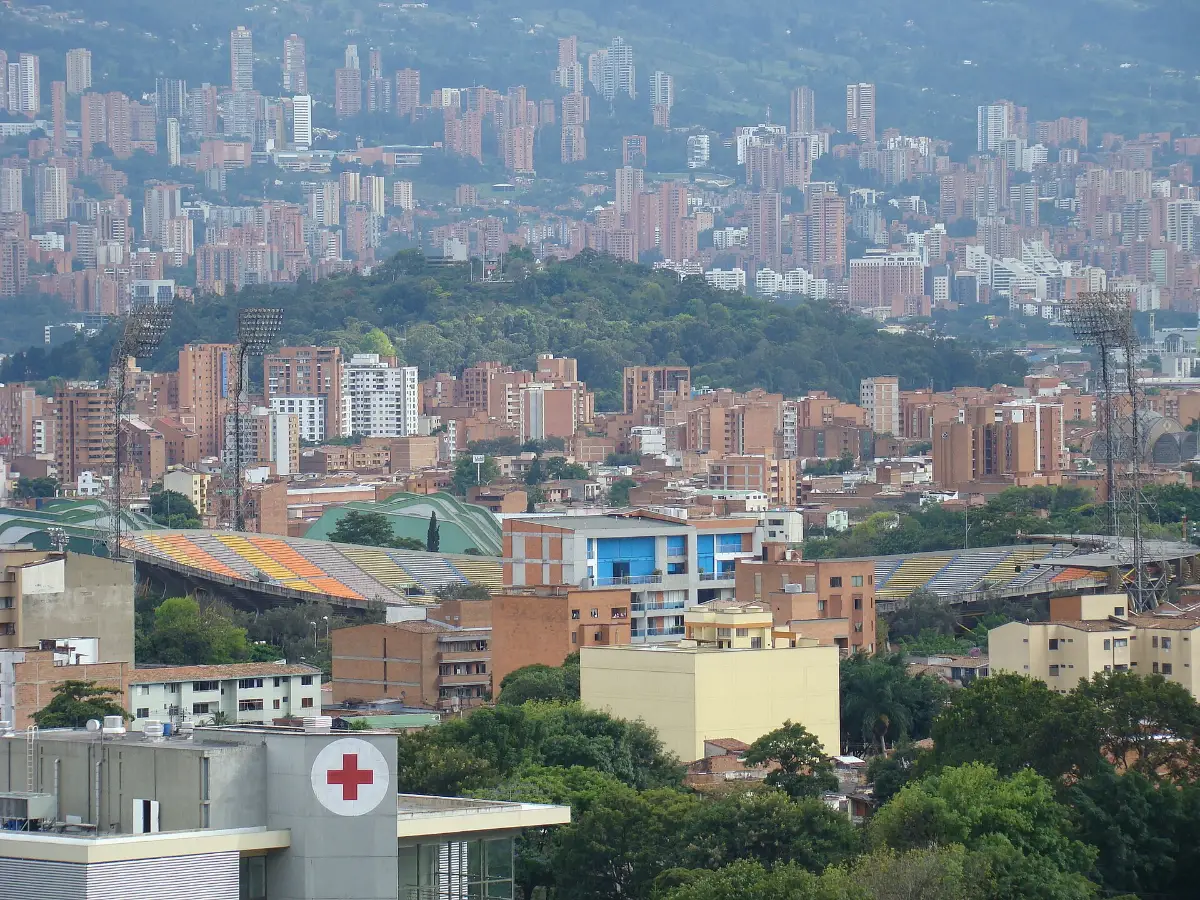
The Monaco Building was built in the 1980s in El Poblado, in the Santa María de los Ángeles area, as one of the residences of Pablo Escobar and his family. It was a building of several floors, with architecture that was modern for its time and heavy security measures.
On January 13, 1988, a car bomb exploded in front of the building. The attack, attributed to the Cali Cartel, marked the start of a war between cartels that, together with the violence against the state, led Medellín into its hardest years. After Escobar’s death, the building passed into the hands of the state and sat abandoned for years.
Over time, the Monaco became a stop on the so-called narco-tour: tourists taking photos in front of the abandoned facade. For many families in Medellín, that was an insult to the memory of the victims.
The 2019 implosion
On February 22, 2019, the Medellín mayor’s office demolished the Monaco Building with a controlled implosion. Thousands of people followed the moment, which was attended by relatives of victims of narco-terrorism. The message was clear: the city did not want a symbol of drug trafficking to remain a tourist attraction.
The demolition was part of a broader strategy to change the city’s narrative, putting the victims and those who stood up to the violence at the center.
Inflexión Park
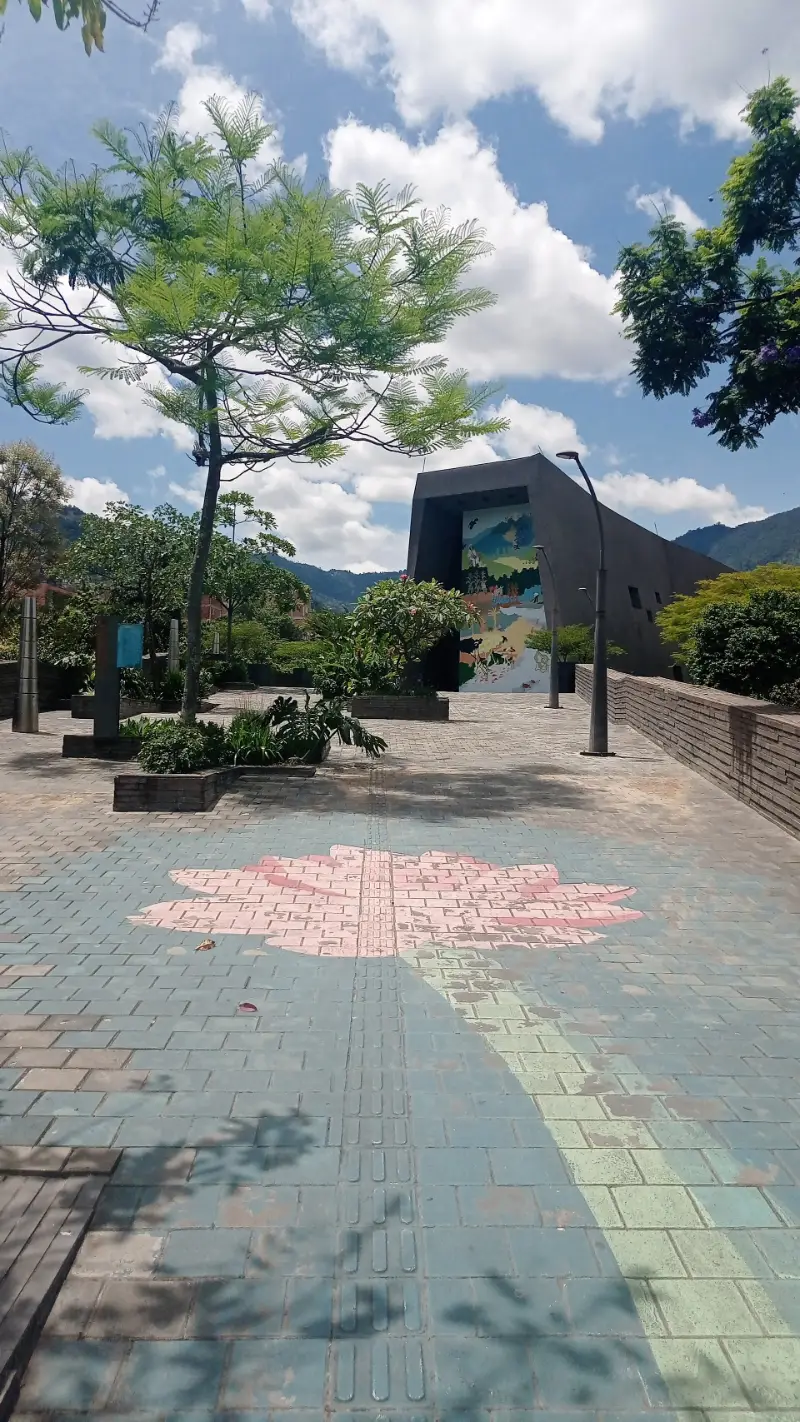
On the lot where the building stood, the city built Parque Inflexión, handed over to the public on December 21, 2019. It covers about 5,163 m² and is designed as a place for reflection.
Its centerpiece is a wall with 46,612 holes, one for each victim of drug-trafficking-related violence in Medellín between 1983 and 1994. As you walk along it, the number stops being a statistic: each hole represents a life.
The park combines the wall with green areas and paths. It is a quiet place, open to the public, to visit in silence and take a moment to reflect on what it represents.
Remember: Inflexión Park is a memorial. Avoid photos or behavior that trivialize what it represents, and don’t buy souvenirs with images of drug lords in the surrounding area.
Recommended tour
Pablo Escobar Tour in Medellín
- Hotel pickup and guide
- Pablo Escobar Museum in El Poblado
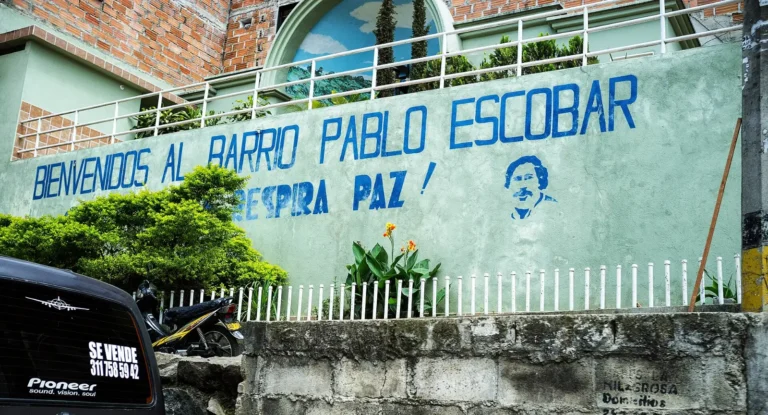
- Pablo Escobar neighborhood and Inflexión Park
- Los Olivos and Montesacro cemetery
From COP 289,000 per person · no deposit
You can pay in US dollars at the day’s exchange rate. Ask your advisor for the current rate.
Other places of memory in Medellín
Museo Casa de la Memoria
A public museum dedicated to the armed conflict in Medellín and Antioquia, told through the voices of the victims. It has permanent and temporary exhibitions, archives and meeting spaces. It is the ideal place to understand the full context of the violence the region lived through, beyond drug trafficking.
Comuna 13
The graffiti of Comuna 13 is also an act of memory. Many murals remember the victims of the urban conflict and the mothers who are still searching for their disappeared loved ones. We explain it in our guide Comuna 13 in Medellín: history and graffiti.
The transformed neighborhoods
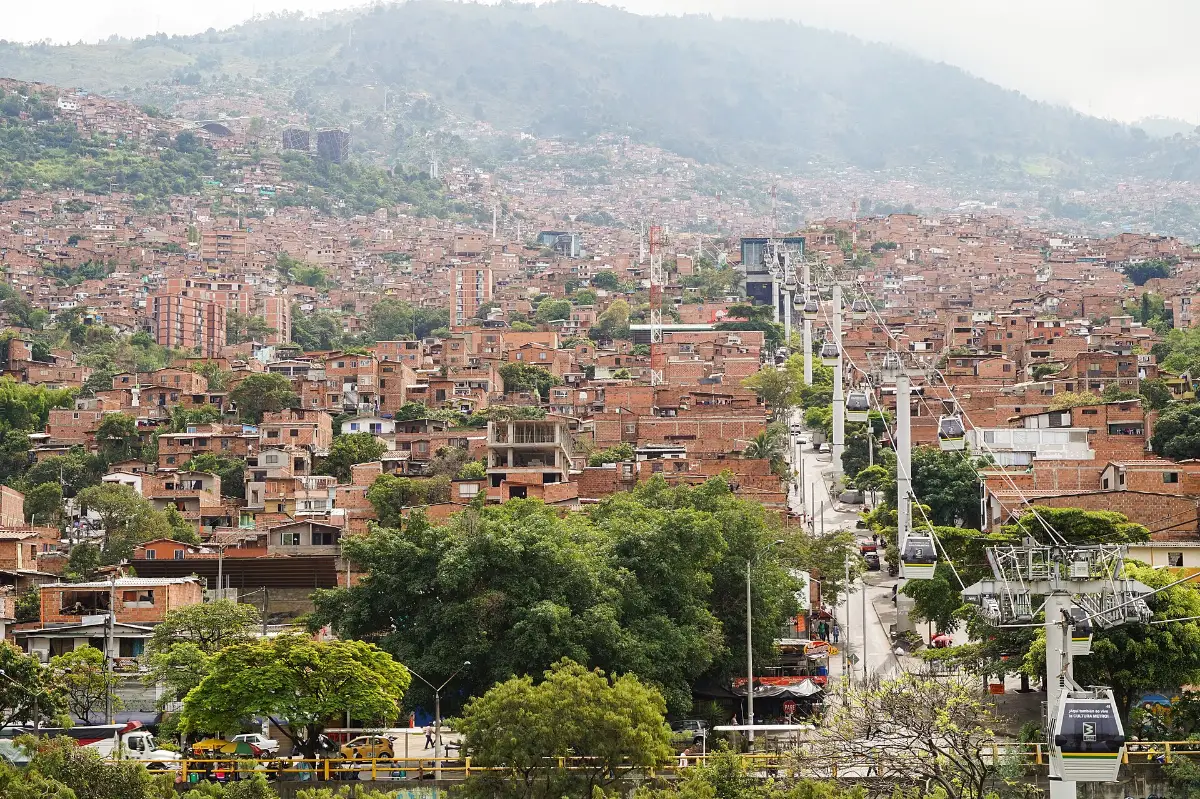
The Metrocable, the library parks (bibliotecas parque), the outdoor escalators and the parks in the hillside neighborhoods are part of the city’s response to those years: bringing transportation, education and public space to the places hit hardest by violence.
How to visit these places
- Inflexión Park: it is in El Poblado, in the Santa María de los Ángeles area. It is a free public space.
- Museo Casa de la Memoria: it is next to Parque Bicentenario, in central-eastern Medellín. Check its opening hours before you go.
- On a tour: the Pablo Escobar Tour in Medellín includes Inflexión Park and other places connected to that history, with a guide who explains the context and the impact on the victims.
To learn about the museum and the neighborhood that bear the drug lord’s name, read our guide Pablo Escobar Museum and Neighborhood: what you will find and how to visit.
Frequently asked questions
What was the Monaco Building?
One of Pablo Escobar’s residences in El Poblado, Medellín. In 1988 it was the target of a car bomb, and in 2019 it was demolished.
When was the Monaco Building demolished?
On February 22, 2019, with a controlled implosion organized by the Medellín mayor’s office.
What is Inflexión Park?
A memorial built where the Monaco Building stood, opened on December 21, 2019 in tribute to the victims of narco-terrorism.
What do the holes in the wall mean?
There are 46,612 of them, one for each victim of drug-trafficking-related violence in Medellín between 1983 and 1994.
How much does it cost to visit Inflexión Park?
Nothing. It is a free public space.
What other place should I visit to understand this history?
The Museo Casa de la Memoria, a public museum dedicated to the armed conflict and its victims.
Keep planning your trip

Viajes Maxitours TeamTour agency in Medellín, registered with Colombia’s National Tourism Registry (RNT 172253). We run day tours from Medellín and write these guides based on what we see on every trip.