
Home › Travel guides › Coffee
Coffee guideColombian coffee: the process from seed to cup and the types you should try
How coffee is grown and processed in Colombia, its varieties and the drinks you can’t miss.
By Viajes Maxitours TeamUpdated: October 19, 20266 min read
- World producer
- Third
- Species
- Arabica
- Altitude
- 1,200 to 1,800 m
- Designation of Origin
- Since 2005
- Coffee Cultural Landscape
- UNESCO 2011
- Specialty coffee
- Over 80 points
Colombian coffee is world-famous for its mild flavor, pleasant acidity and aroma. But behind every cup is a long and almost always manual process that starts in a nursery up in the mountains and ends in your kitchen at home. Getting to know it changes the way you drink it.
In this guide we explain how Colombian coffee is made, from seed to cup, the varieties that are grown, the types of processing and the drinks you should try on your trip.
Colombia, a coffee country
Colombia is the world’s third-largest coffee producer, after Brazil and Vietnam. In 2025 it produced about 13.67 million 60-kilo bags. Unlike other major producers, nearly all of its coffee is arabica, a species that is more aromatic and milder than robusta.
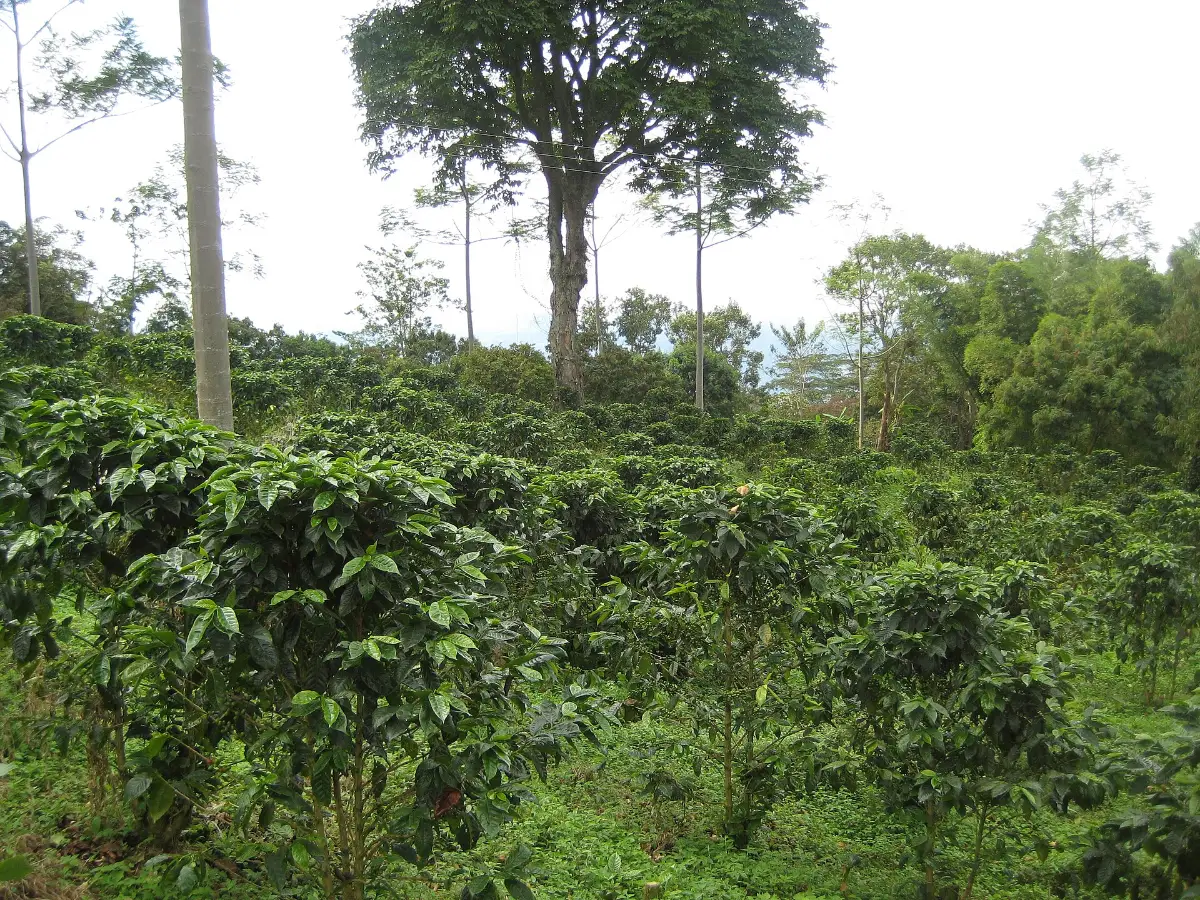
Coffee is grown on the slopes of the country’s three mountain ranges, generally between 1,200 and 1,800 meters above sea level, where the mild climate and rainfall allow harvests for much of the year. Huila is the top producing department and Antioquia is second.
In 2011 UNESCO declared the Coffee Cultural Landscape of Colombia (Paisaje Cultural Cafetero) a World Heritage Site, covering 47 municipalities in Caldas, Quindío, Risaralda and northern Valle del Cauca.
The process: from seed to cup
- Germination and nursery: the seed germinates in sand and is then moved to bags in the nursery, where it grows for several months before going to the field.
- Planting: the plants are taken to the plantation, almost always on a slope. A coffee plant starts bearing fruit after a couple of years.
- Flowering: the plantation fills with white, jasmine-scented flowers. A few months later the fruit appears.
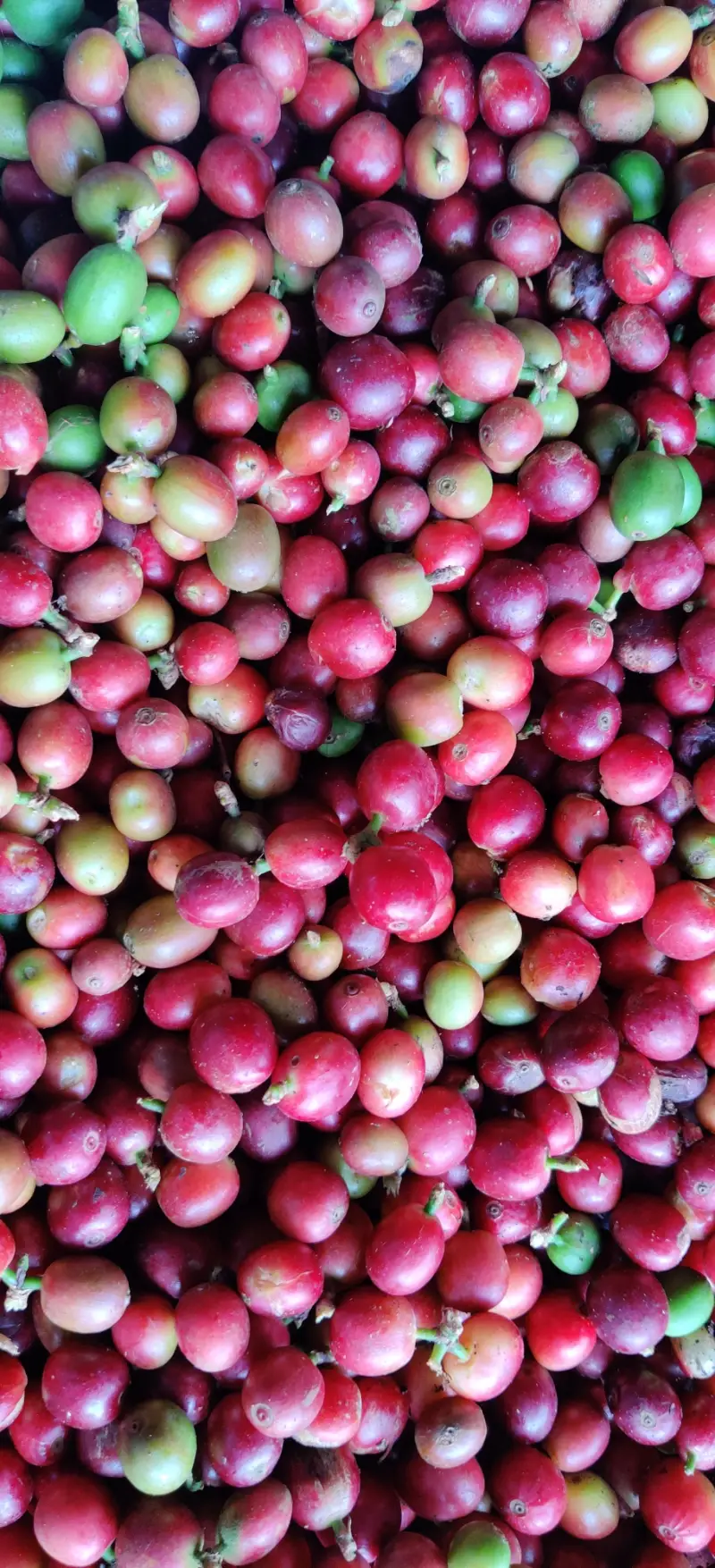
- Harvest: pickers choose only the ripe cherries by hand. This is the most labor-intensive stage.
- Pulping: the red pulp is removed, leaving the seed, covered in a sweet layer called mucilage.
- Fermentation and washing: the seed rests for a few hours so the mucilage loosens, and then it’s washed with clean water.
- Drying: the beans are dried in the sun or in dryers until they reach the right moisture level. The result is parchment coffee.
- Hulling: the husk is removed from the parchment, leaving green coffee, which is what gets exported.
- Roasting: heat transforms the sugars and develops the aromas. Much of the flavor depends on the roast.
- Grinding and brewing: the bean is ground to suit the brewing method, and it reaches your cup.
Washed, honey and natural
The processing done after the harvest changes the flavor of the coffee:
- Washed: the traditional method in Colombia. The mucilage is removed with water, giving a clean coffee with bright acidity.
- Honey: the bean is dried with part of the mucilage still on. The result is a sweeter coffee with more body.
- Natural: the whole cherry is dried, pulp and all. It gives intense fruity notes, sometimes similar to wine.
Recommended tour
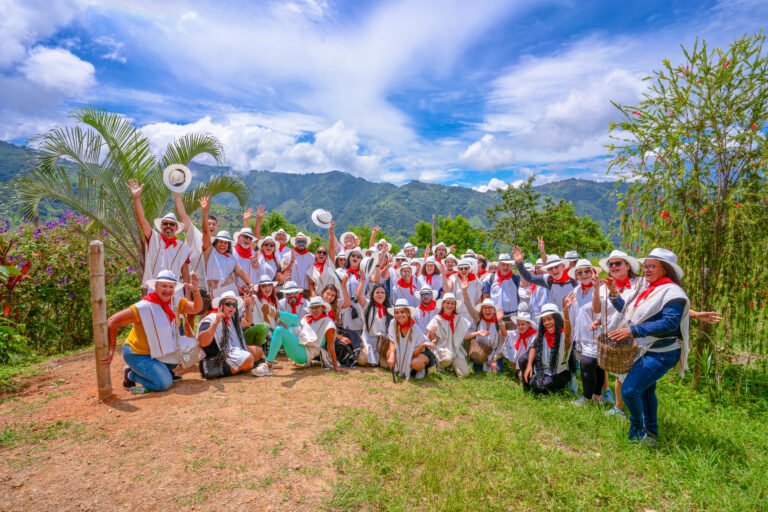
Coffee Tour near Medellín
- Pickup at your hotel in Medellín
- The coffee process, from planting to cup
- Coffee honey, traditional dessert and tasting
- Lunch and a coffee souvenir
From COP 219,000 per person · no deposit
You can pay in US dollars at the day’s exchange rate. Ask your advisor for the current rate.
Colombian coffee varieties
Colombia grows arabica varieties adapted to the country’s conditions. Many were developed by Cenicafé, the research center of the National Federation of Coffee Growers (Federación Nacional de Cafeteros):
- Typica and Bourbon: traditional varieties, highly prized for their cup quality.
- Caturra: a short-statured plant that was very common on farms for decades.
- Colombia variety: released in 1982, resistant to coffee leaf rust (roya), a disease that attacks the coffee plant’s leaves.
- Castillo: released in 2005, also resistant to leaf rust and today one of the most widely planted varieties in the country.
Origin and quality
Colombian coffee has held a Designation of Origin since 2005, and in 2007 the European Union recognized it as a Protected Geographical Indication, the first non-European product to achieve this. The famous Juan Valdez character, created in 1958, helped put Colombian coffee on the world map.
Coffees that score more than 80 points on the cupping scale are considered specialty coffees. Today more and more farms in Antioquia produce specialty coffee and sell it directly to visitors.
Coffee drinks you should try
- Tinto: the everyday black coffee, served in a small cup. In Colombia it’s offered at any time of day.
- Perico: coffee with a splash of milk, similar to a cortado.
- Café con leche: coffee with milk, the classic breakfast combination.
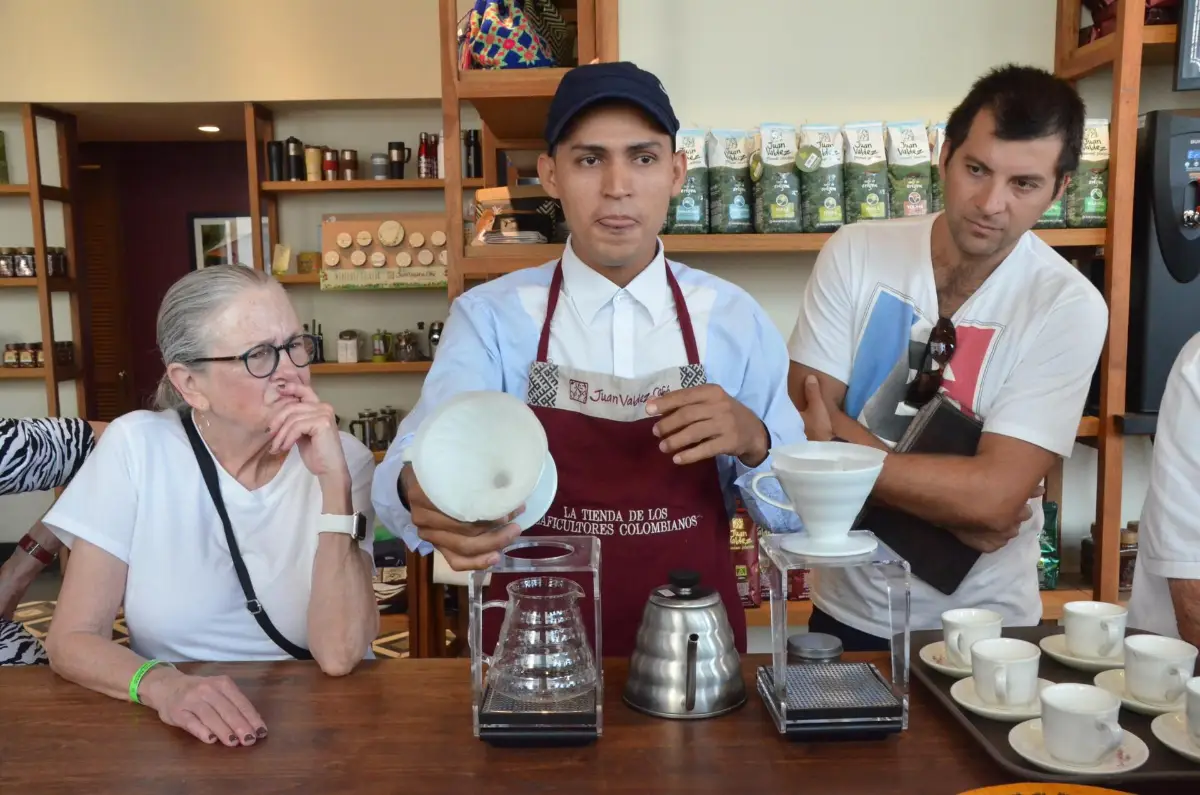
- Filter or manual-brew coffee: at specialty coffee shops you can try the same bean in a V60, French press or Chemex and notice the differences.
Tip: if you want to bring coffee home as a gift, buy whole beans from a farm or a local roaster and check the roast date. Whole beans keep better and taste fresher.
The best way to understand all this is to see it in person. On our Coffee Tour near Medellín you follow the whole process on a farm and finish with a tasting. Before you go, also read our guide Coffee tour near Medellín: what you do and what’s included.
Frequently asked questions
Why is Colombian coffee so famous?
Because nearly all of it is arabica, grown in the mountains, picked by hand and carefully processed, which produces a mild, aromatic coffee with good acidity.
What is the coffee process?
Germination, planting, flowering, harvest, pulping, fermentation and washing, drying, hulling, roasting, grinding and brewing.
What is a tinto?
It’s Colombia’s traditional black coffee, served in a small cup and drunk at any time of day.
What’s the difference between washed, honey and natural coffee?
Washed coffee has the mucilage removed with water and tastes clean; honey keeps part of the mucilage and is sweeter; natural is dried in the whole cherry and has fruity notes.
What is specialty coffee?
A coffee that scores more than 80 points on the cupping scale for its quality, aroma and flavor.
Where can I see the coffee process near Medellín?
At a coffee farm in the nearby mountains. The Coffee Tour near Medellín includes the full walk-through and a tasting.
Keep planning your trip

Viajes Maxitours TeamTour agency in Medellín, registered with Colombia’s National Tourism Registry (RNT 172253). We run day tours from Medellín and write these guides based on what we see on every trip.